In an increasingly digital age, the physical artifact of the book holds a distinct, tactile allure. Antiquarian and rare book collecting is a pursuit that intersects literary appreciation, historical archiving, and alternative asset investment. Navigating this market requires specialized knowledge of printing histories, physical appraisal, and the economics of scarcity.
Identifying First Editions
A fundamental driver of value in book collecting is the identification of a true first edition—more accurately referred to as the "first edition, first printing" or "first impression." Collectors prioritize these volumes because they represent the earliest manifestation of the author's work in the physical world.
Identifying a first printing is notoriously complex. Different publishers use varying methods to indicate print runs, ranging from the classic number line (e.g., 10 9 8 7 6 5 4 3 2 1) to specific textual statements or the presence of uncorrected typographical errors (known as "points of issue"). A volume bearing the words "First Edition" is not necessarily a first printing if the number line indicates a subsequent run. Collectors rely on detailed bibliographies to verify these specific markers.
The Importance of Condition and Dust Jackets
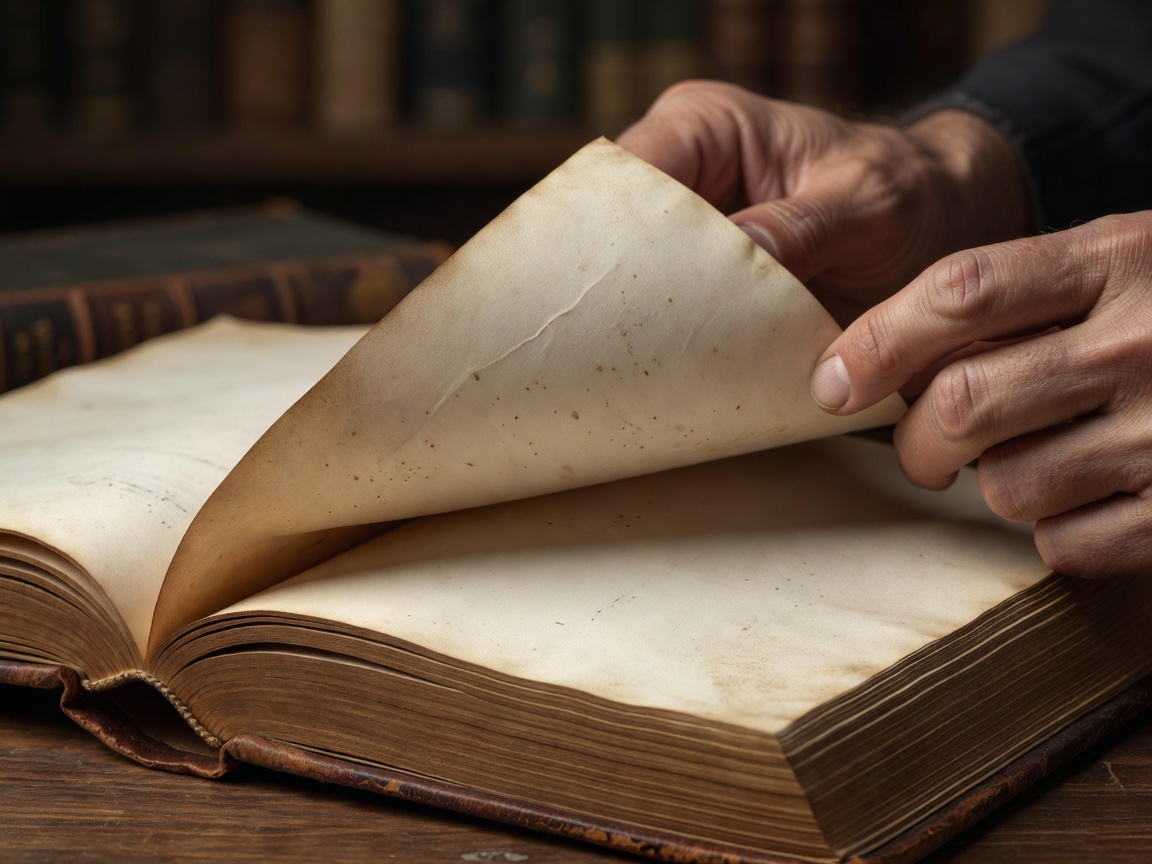
In rare book valuation, condition is paramount. A book's grade is assessed based on the structural integrity of the binding, the cleanliness of the pages, and the presence of any foxing (brown spotting caused by mold or iron oxidation), dampstaining, or marginalia.
Crucially for 20th-century literature, the presence and condition of the original dust jacket can account for the vast majority of a book's market value. A pristine dust jacket protects the underlying boards and features original cover art, publisher's blurbs, and specific price markings that further authenticate the edition. The difference in valuation between a flawless first edition with a pristine jacket and the same edition without its jacket is often exponential.
"A collector does not merely acquire a text; they assume stewardship of a physical artifact, preserving a specific moment in printing history."
Provenance and Association Copies
Provenance refers to the documented history of a book's ownership. A volume with a clear chain of custody stemming from significant private libraries carries a premium. Even more highly sought after are "association copies." These are books owned, inscribed, or annotated by the author themselves, or by someone closely associated with the creation of the text.
An association copy transcends a standard author signature. It provides a historical link—perhaps a dedication to a fellow writer, an editor, or an individual who inspired a character—adding an irreplaceable narrative layer to the physical object.
Preservation and Storage
Ethical collecting necessitates proper preservation. Rare books are susceptible to environmental damage. Collectors must control light exposure, as ultraviolet rays rapidly fade dust jackets and bindings. Fluctuations in temperature and humidity can cause paper to warp, bindings to crack, and mold to proliferate. Proper archiving involves storing books upright on stable shelving, avoiding direct sunlight, and utilizing archival-quality mylar covers to protect dust jackets from oils and abrasion.
The antiquarian market requires patience, research, and a genuine reverence for the physical medium of the written word. It is a discipline dedicated to ensuring that the tangible history of literature survives for future generations of readers and scholars.